
The Jacob’s Ladder Quilt Block Pattern is one of the most beloved and timeless designs in the world of quilting, admired for its geometric elegance and rich historical roots.
Whether you are a beginner exploring your first quilt block or an experienced quilter searching for a classic design to revisit, this pattern offers both simplicity and depth.
The structured layout of the blocks creates a visually striking effect that appears more complex than it actually is, making it a rewarding project for all skill levels.One of the reasons the Jacob’s Ladder Quilt Block Pattern remains so popular is its versatility. It can be adapted using a wide range of fabrics, colors, and scales, allowing quilters to express their creativity while still honoring tradition. From soft pastel palettes for baby quilts to bold, contrasting tones for modern designs, this pattern adapts beautifully to different styles and preferences. Its repeating structure also makes it ideal for larger quilts, where the pattern can truly shine.
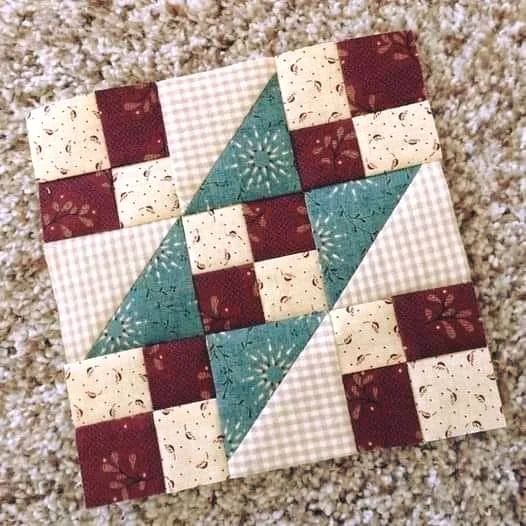
In addition to its visual appeal, the Jacob’s Ladder Quilt Block Pattern carries symbolic meaning for many quilters. Historically, it has been associated with themes of hope, progress, and connection, which adds a meaningful layer to each finished piece. As you work through this pattern, you are not just sewing fabric together—you are participating in a long-standing quilting tradition that has been passed down through generations.
Understanding the Jacob’s Ladder Quilt Block Pattern
The Jacob’s Ladder Quilt Block Pattern is typically composed of a combination of half-square triangles and four-patch units. These elements are arranged in a way that creates a diagonal movement across the block, giving the illusion of steps or a ladder. This clever use of geometry is what makes the design so visually engaging.
At its core, the block is usually divided into a 3×3 grid. Some sections are filled with four-patch squares, while others contain half-square triangles. This balance between solid and diagonal elements is what produces the iconic ladder effect that gives the pattern its name.
For beginners, understanding how these smaller units come together is key to mastering the Jacob’s Ladder Quilt Block Pattern. Breaking the block down into manageable pieces makes the process less intimidating and helps ensure accuracy in construction. Precision in cutting and sewing is essential to maintain the clean lines of the design.
Color placement plays a significant role in defining the overall look of the pattern. High-contrast fabrics tend to highlight the ladder effect more clearly, while softer contrasts create a more subtle and blended appearance. Choosing the right color combination can completely transform the final result.
Another important aspect to consider is block size. The Jacob’s Ladder Quilt Block Pattern can be scaled up or down depending on your project. Larger blocks are great for quick quilts, while smaller blocks allow for more intricate designs and detailed layouts.
By understanding the structure and components of this pattern, you can confidently approach your quilting project and achieve a polished, professional finish.
Materials and Preparation for Your Quilt Block
Before starting your Jacob’s Ladder Quilt Block Pattern, gathering the right materials is essential for a smooth and enjoyable quilting experience. Basic supplies include quilting cotton fabric, a rotary cutter, a cutting mat, a quilting ruler, and a sewing machine. High-quality materials will not only make the process easier but also improve the durability of your finished quilt.
Fabric selection is one of the most exciting parts of the process. When working with the Jacob’s Ladder Quilt Block Pattern, it is recommended to choose at least two contrasting fabrics. This contrast helps emphasize the geometric design and ensures the ladder effect is clearly visible.
Pre-washing your fabric is a step that many quilters consider important. It helps prevent shrinkage and color bleeding after the quilt is completed. While some quilters skip this step, it can be beneficial, especially when using fabrics with strong or dark dyes.
Accurate cutting is crucial in quilting, particularly for patterns like the Jacob’s Ladder Quilt Block Pattern that rely on precise alignment. Taking the time to measure and cut carefully will save you from frustration later in the process and ensure your blocks fit together perfectly.
Thread choice is another factor to consider. A neutral cotton thread is usually the best option, as it blends well with most fabrics and provides strong, reliable seams. Consistency in thread quality contributes to the overall strength of the quilt.
Finally, organizing your workspace can make a significant difference. Keeping your tools and fabric pieces neatly arranged will help you stay focused and efficient as you work through each step of the pattern.
Step-by-Step Construction of the Block
Creating the Jacob’s Ladder Quilt Block Pattern begins with assembling the individual units that make up the block. Start by making the half-square triangles, which are formed by sewing two squares of fabric together diagonally and then cutting them apart. Pressing the seams properly will help maintain a crisp, flat finish.
Next, construct the four-patch units by sewing together four smaller squares in a grid. These units provide a solid contrast to the diagonal lines of the half-square triangles, enhancing the overall design of the block.
Once your units are prepared, arrange them in a 3×3 layout according to the Jacob’s Ladder Quilt Block Pattern design. This step is important because it allows you to visualize how the final block will look before sewing everything together. Adjusting placement at this stage is much easier than after stitching.
Sew the units together row by row, taking care to align the seams accurately. Pressing each row as you go will help keep the block flat and prevent distortion. Consistent seam allowances are key to ensuring all pieces fit together correctly.
After assembling the rows, join them to complete the block. At this stage, you will begin to see the ladder effect emerge, which is one of the most satisfying moments in the quilting process. The interplay of shapes and colors creates a dynamic and eye-catching design.
Repeat the process to create multiple blocks, which can then be arranged into a larger quilt. The repetition of the Jacob’s Ladder Quilt Block Pattern across the quilt top creates a cohesive and visually appealing layout.
Tips for Enhancing Your Quilt Design
To make your Jacob’s Ladder Quilt Block Pattern truly stand out, consider experimenting with different color schemes. Using bold, contrasting colors can create a dramatic effect, while softer tones can produce a more subtle and elegant look.
Playing with fabric textures and prints is another way to add interest to your quilt. Mixing solids with patterned fabrics can create depth and dimension, making the design more visually engaging. Just be mindful of maintaining enough contrast to preserve the ladder effect.
Layout variations can also transform the appearance of your quilt. By rotating blocks or rearranging their placement, you can create entirely new patterns within the same design framework. This flexibility is one of the reasons the Jacob’s Ladder Quilt Block Pattern is so popular among quilters.
Adding borders and sashing can enhance the overall composition of your quilt. Borders frame the design, while sashing separates the blocks and adds structure. Both elements can be used to highlight the pattern and give the quilt a finished look.
Quilting techniques, such as stitching in the ditch or adding decorative quilting lines, can further enhance the texture and detail of your project. These finishing touches bring the quilt to life and showcase your craftsmanship.
Finally, take your time and enjoy the process. Quilting is as much about the journey as it is about the finished product. Each stitch contributes to a unique and meaningful creation.
FAQ About Jacob’s Ladder Quilt Block Pattern
What is the difficulty level of the Jacob’s Ladder Quilt Block Pattern
The pattern is generally considered beginner-friendly, especially for those who are comfortable with basic quilting techniques like half-square triangles and four-patch units.
What size should I cut my fabric pieces
The size depends on the desired finished block size. Most patterns provide specific measurements, but common block sizes range from 6 to 12 inches.
Can I use scraps for this pattern
Yes, the Jacob’s Ladder Quilt Block Pattern is perfect for scrap quilting. Just ensure there is enough contrast between fabrics to highlight the design.
How do I keep my seams aligned
Accurate cutting, consistent seam allowances, and careful pressing are key to keeping seams aligned and achieving a professional finish.
What fabrics work best for this pattern
Quilting cotton is the most commonly used fabric due to its durability and ease of handling. Choose fabrics with good contrast for the best results.
Can I make a modern version of this pattern
Absolutely. By using contemporary colors and bold prints, you can give the traditional Jacob’s Ladder Quilt Block Pattern a modern twist.
Conclusion
The Jacob’s Ladder Quilt Block Pattern is a timeless and versatile design that offers endless creative possibilities. Throughout this article, you learned about its structure, materials, construction process, and ways to enhance your final quilt. From understanding the basic components to experimenting with colors and layouts, this pattern provides a rewarding experience for quilters of all skill levels.
By mastering the techniques discussed here, you can confidently create beautiful quilt blocks that showcase both tradition and personal style. The combination of geometric precision and creative freedom makes this pattern a favorite in the quilting community.
Now it’s your turn to bring the Jacob’s Ladder Quilt Block Pattern to life. Try it out, explore different variations, and most importantly, enjoy the process. I would love to hear your honest opinion about this guide and any suggestions you may have—your feedback helps improve and inspire future creations.