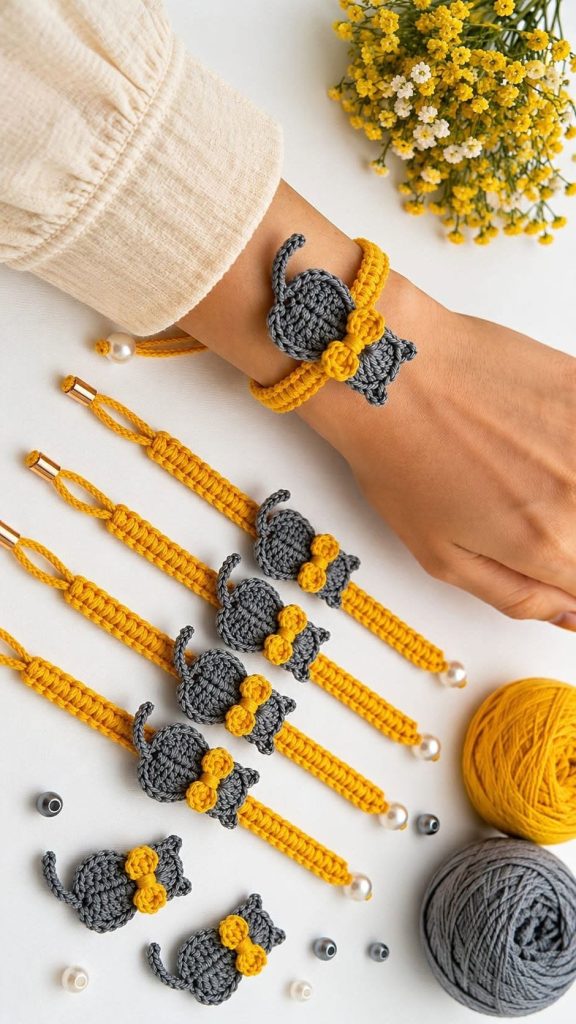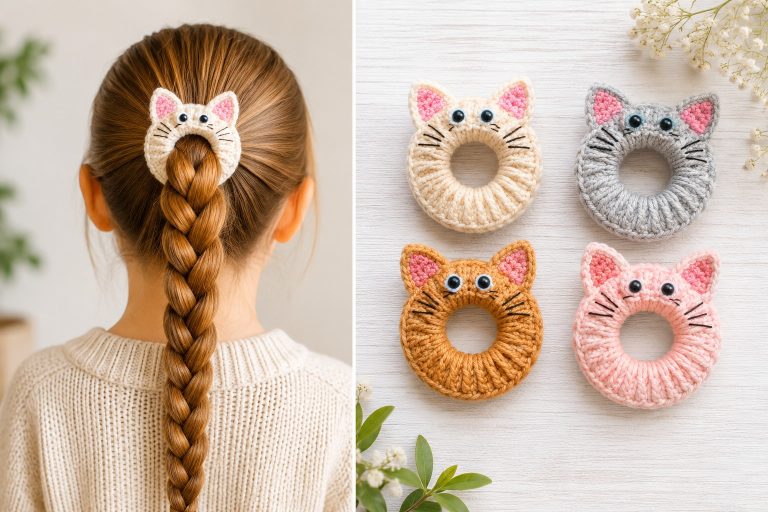
Crochet Cat Hair Ties Pattern

Crochet Symbol Charts Explained Tutorial is one of the most important topics for crocheters who want to expand their skills and confidently work with patterns from around the world.
Understanding crochet symbols can seem intimidating at first, but once you learn how to read them, they become a universal language that makes following patterns much easier. Whether you are a beginner or an experienced crocheter, mastering crochet symbol charts can significantly improve your crafting experience.
Many crochet enthusiasts encounter beautiful patterns that include diagrams instead of written instructions. This is where a Crochet Symbol Charts Explained Tutorial becomes extremely valuable. Symbol charts visually represent stitches, allowing crocheters to quickly understand the structure of a project. Unlike written instructions that depend on language, symbols are recognized internationally, making them useful no matter where a pattern originates.
Learning to read crochet charts may take some practice, but the rewards are worth the effort. Once you understand the basic symbols and chart layouts, you can follow intricate designs, create detailed motifs, and even design your own projects. This guide will walk you through everything you need to know about crochet symbol charts, helping you gain confidence and enjoy new creative possibilities.
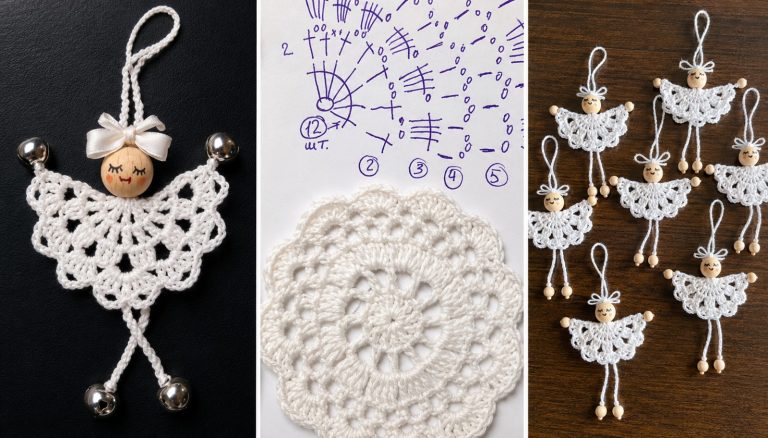
Crochet symbol charts are visual diagrams that represent stitches using standardized symbols. Each symbol corresponds to a specific crochet stitch and shows where it should be worked within a project.
One of the greatest advantages of symbol charts is that they eliminate language barriers. A crocheter in the United States can use the same chart as someone in Japan, Brazil, or Germany without needing translations.
Most charts begin from the center when working in rounds or from the bottom when creating rows. Understanding the starting point is essential for following the pattern correctly.
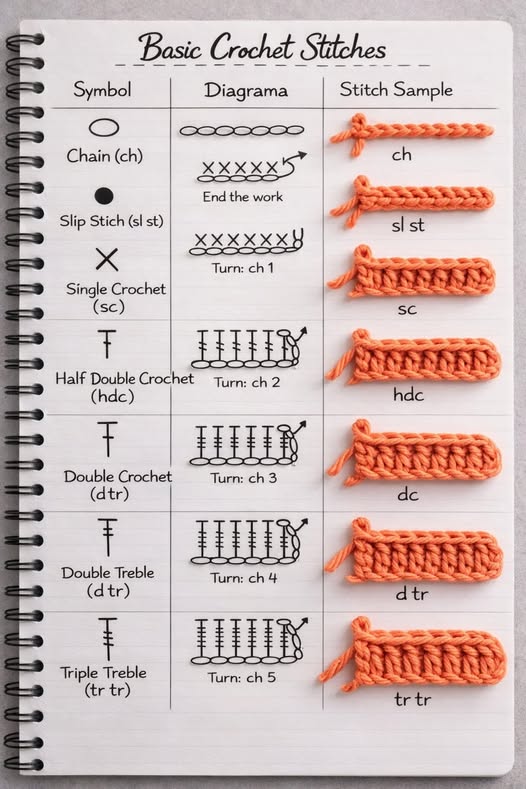
The symbols themselves are designed to resemble the shape of the stitches they represent. For example, a chain stitch is usually shown as a small oval, while a single crochet appears as a simple cross.
Reading a chart involves following the symbols in the correct sequence. Row-based projects are often read back and forth, while circular projects are read in a continuous spiral or round-by-round format.
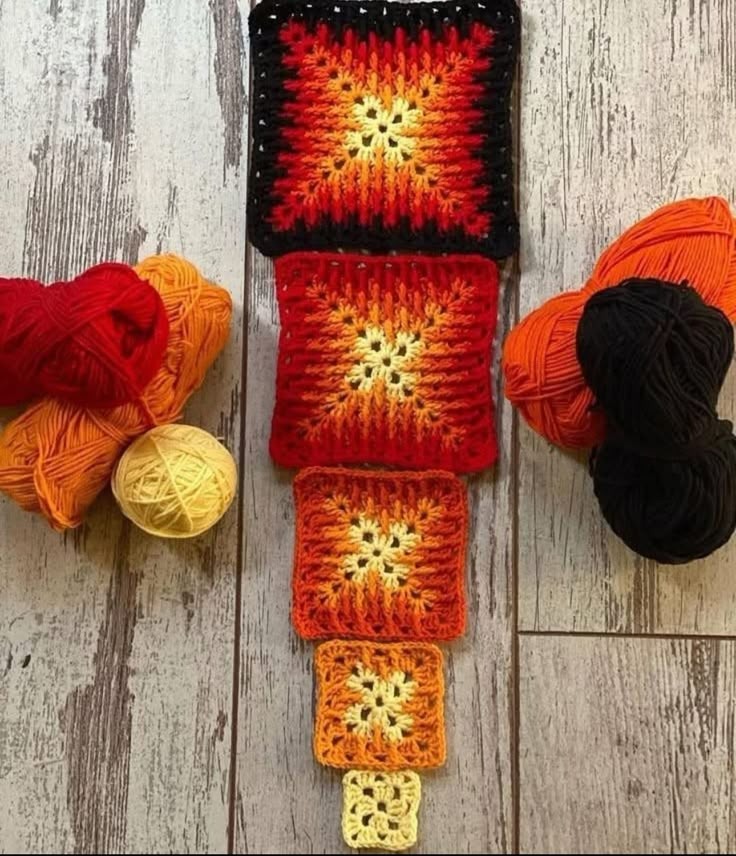
Practicing with simple patterns is the best way to become familiar with chart reading. Starting with basic granny squares or simple motifs can help you understand how symbols work together.
The chain stitch symbol is usually represented by a small oval or circle. It forms the foundation of many crochet projects and often appears at the beginning of charts.
The single crochet symbol is commonly shown as a small cross or plus sign. This stitch creates a dense and sturdy fabric that is useful for many projects.
Half double crochet stitches are generally represented by a symbol that includes an additional horizontal line. This stitch offers a balance between height and density.
Double crochet symbols are taller and include one horizontal bar across the vertical line. These stitches create a more open and flexible fabric.
Treble crochet stitches feature two horizontal bars and are even taller than double crochet stitches. They are often used in lace and decorative patterns.
Special stitches such as popcorns, clusters, and shells may have unique symbols. Pattern designers typically include a chart legend to explain these specialized symbols.
The first step when reading a crochet chart is identifying the starting point. Most charts clearly indicate where you should begin with an arrow, number, or highlighted section.
Next, examine the legend provided with the chart. The legend explains what each symbol represents and helps ensure accuracy while crocheting.
Pay attention to the direction of the rows. In flat crochet projects, odd-numbered rows are often worked from right to left, while even-numbered rows are worked from left to right.
When working circular charts, each round is usually numbered. Following these numbers in sequence prevents confusion and helps maintain the correct stitch count.
Count your stitches frequently as you work. This simple habit helps identify mistakes early and makes correcting errors much easier.
Take your time when learning. Even experienced crocheters occasionally need to pause and review a chart. Patience and practice are key to developing chart-reading skills.
One major benefit of crochet charts is visual clarity. Many crocheters find diagrams easier to follow than lengthy written instructions.
Charts allow you to see the overall structure of a project at a glance. This helps you understand how stitches interact and how the final design is formed.
International accessibility is another significant advantage. Since symbols are standardized, crocheters worldwide can share and use patterns more easily.
Complex lace patterns often become much easier to understand when presented as charts. The visual format clearly shows stitch placement and pattern repeats.
Charts can also help reduce mistakes because they provide a visual roadmap. If something looks incorrect, it is often easier to spot the problem within a chart.
As your skills improve, crochet symbol charts can inspire creativity. Many advanced crocheters use charts to modify existing patterns or create entirely original designs.
Start with beginner-friendly charts before attempting intricate lacework or advanced motifs. Simple projects build confidence and understanding.
Keep a reference guide of common crochet symbols nearby. Having quick access to symbol meanings can make learning much easier.
Practice reading charts even when you are not actively crocheting. Studying diagrams helps train your eyes to recognize stitch patterns.
Compare written instructions with corresponding charts whenever possible. This helps connect the visual symbols with stitch terminology.
Use stitch markers to track your progress through complex sections. They can help prevent confusion and make counting easier.
Most importantly, remain patient and consistent. Every chart you complete strengthens your ability to understand future patterns more quickly and accurately.
A crochet symbol chart is a visual diagram that uses standardized symbols to represent crochet stitches and show their placement within a pattern.
Most crochet symbols follow internationally recognized standards, making them understandable across different countries and languages.
Both methods have advantages. Some crocheters prefer charts because they provide a visual overview, while others prefer written instructions for detailed guidance.
Absolutely. Beginners can start with simple charts and gradually progress to more complex patterns as their confidence grows.
Lace designs contain many stitch repeats and intricate details. Charts make these patterns easier to visualize and follow accurately.
The learning process varies by individual, but many crocheters become comfortable with basic charts after practicing a few simple projects.
Check the chart legend or pattern notes. Most designers include explanations for any symbols used in their charts.
Yes. Once you understand the symbols and chart structure, you can create custom diagrams for your own crochet designs.
Video Tutorial:
This Crochet Symbol Charts Explained Tutorial has covered the essential knowledge needed to understand and use crochet charts successfully. From learning common stitch symbols and chart layouts to discovering the benefits of visual pattern reading, crochet charts open the door to a wider world of creative possibilities. With regular practice, patience, and attention to detail, you can confidently follow charted patterns and tackle increasingly complex projects.
We hope this guide has helped you better understand crochet symbol charts and inspired you to continue improving your crochet skills. Please leave your honest opinion, share your experience, and feel free to suggest topics you would like to see covered in future crochet tutorials.