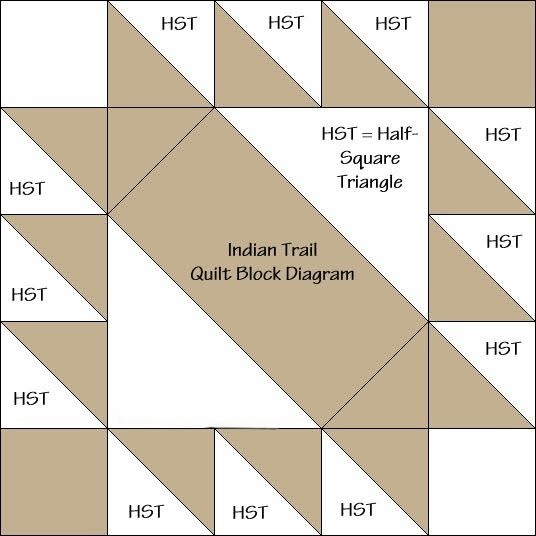
American Indian Quilt Block Pattern

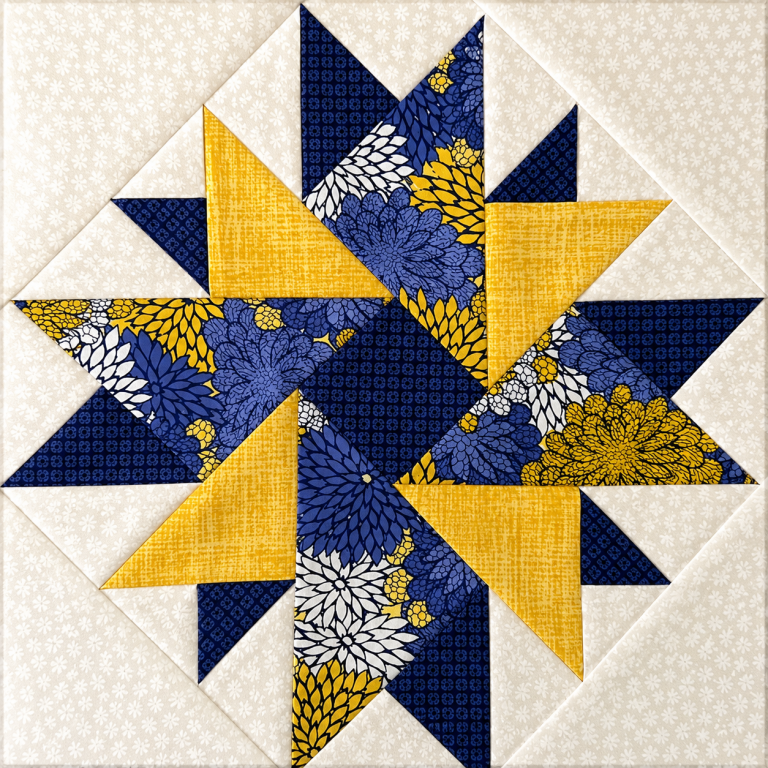
The American Indian Quilt Block Pattern is one of the most recognizable traditional quilt designs, admired for its striking geometric layout and timeless appeal. Whether you are making your very first quilt block or adding a new design to your quilting collection, this classic pattern offers an enjoyable combination of simple piecing techniques and eye-catching visual results.
Built primarily with Half-Square Triangles (HSTs) and large triangle units, this block demonstrates how a few carefully arranged shapes can create a bold and balanced composition. Learning this block is an excellent opportunity to improve cutting accuracy, sewing consistency, and pressing techniques while creating a beautiful quilt block that can be used in countless projects.
Quilters appreciate the American Indian Quilt Block Pattern because it combines beginner-friendly construction with enough detail to remain interesting for experienced makers. The design is suitable for traditional fabrics, reproduction prints, solids, modern collections, or even scrap fabrics, making it one of the most versatile quilt blocks available. By carefully choosing contrasting colors, you can highlight the dramatic diagonal movement that gives this block its distinctive appearance. The result is a quilt block that looks elegant whether displayed alone or repeated throughout a full quilt.
This tutorial explains the entire process of making the American Indian Quilt Block Pattern step by step. Every stage focuses on careful preparation, accurate cutting, precise stitching, and thoughtful pressing. These quilting fundamentals help ensure that every corner aligns neatly and every seam lies flat. By the end of this guide, you will understand not only how to construct the block itself but also how to adapt it for quilts, pillows, table runners, wall hangings, and many other sewing projects.
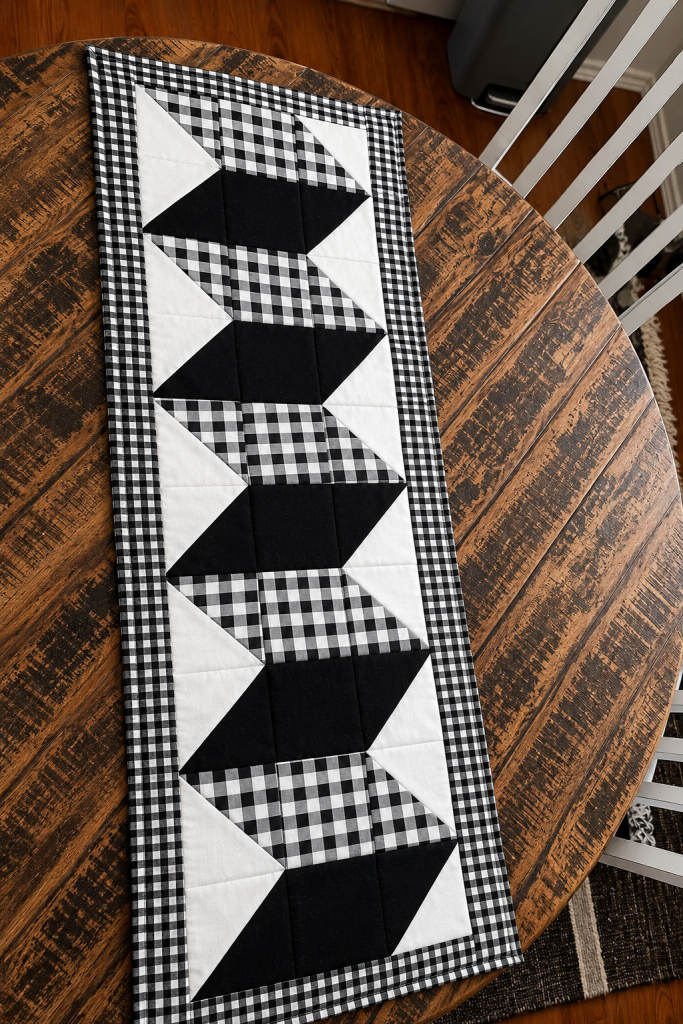
Before cutting fabric, spend a few minutes studying the overall layout of the American Indian Quilt Block Pattern. The block relies on symmetry, meaning that every unit contributes to the final visual balance. Looking at the diagram first makes assembly much easier.
Choose two fabrics with strong contrast. A light background paired with a darker print allows the geometric shapes to stand out clearly. Solids create a clean traditional appearance, while small-scale prints add warmth and texture.
Wash and press your fabric before cutting if desired. Smooth, wrinkle-free fabric produces more accurate measurements and helps maintain square units throughout construction.
For a 12-inch finished block, prepare enough fabric to cut the required background squares, darker accent squares, and larger triangle pieces according to your preferred quilting measurements. Accurate cutting is one of the biggest factors in achieving a professional-looking quilt block.
A rotary cutter, quilting ruler, and self-healing cutting mat make this process significantly easier. Replace dull blades when needed, since sharp blades create cleaner edges and reduce fabric distortion.
Label your cut pieces if necessary. Organizing the units before sewing prevents mistakes during assembly and allows you to focus on maintaining accurate seam allowances.
Begin by making the required Half-Square Triangle (HST) units. Place one light square and one dark square with right sides together. Draw a diagonal line across the back of one square.
Sew a quarter-inch seam on both sides of the marked diagonal line. Cut directly along the drawn line, open the units, and press them carefully. Trim every HST to the exact unfinished measurement so that all units match perfectly.
Lay all completed HSTs on a design wall or flat table before sewing additional pieces together. This step allows you to verify the orientation of every triangle and avoid accidentally reversing any units.
Next, construct the larger triangle sections that form the center of the American Indian Quilt Block Pattern. These oversized triangle units create the strong diagonal movement that defines the design.
Sew neighboring units together row by row, always using an accurate quarter-inch seam allowance. After completing each row, press according to your preferred quilting method while keeping the block as flat as possible.
Finally, join all completed rows together slowly, carefully matching every intersection. Pinning at each seam intersection helps ensure that the finished block remains square and that the geometric design aligns beautifully.
One of the reasons the American Indian Quilt Block Pattern remains so popular is its ability to look completely different depending on the fabric selection. High-contrast fabrics emphasize the dramatic diagonal lines, while subtle tone-on-tone prints create a softer and more traditional appearance. Experimenting with color placement before sewing allows you to visualize the finished design and make adjustments with confidence.
A light background combined with a rich navy, burgundy, forest green, or warm brown creates a timeless quilt block. If you enjoy modern quilting, try pairing crisp white fabric with bold jewel tones or even black for a striking contemporary effect. Scrap fabrics can also be used successfully as long as the contrast between light and dark pieces remains clear.
Arrange every unit on a flat surface before stitching. Taking a photo of the layout can help you remember the correct placement as you begin sewing. This simple habit reduces mistakes and prevents the frustration of discovering an incorrectly oriented triangle after several rows have already been joined.
Assemble the block one row at a time. After completing each row, compare it with your original layout to verify that every Half-Square Triangle (HST) points in the intended direction. Small orientation errors are much easier to correct before the rows are sewn together.
When joining rows, pin every seam intersection carefully. Matching the seams accurately creates crisp points and clean geometric lines that give the American Indian Quilt Block Pattern its polished appearance. Precision during this stage makes a noticeable difference in the finished quilt.
Once the entire block has been assembled, measure it in both directions. Trim only if necessary, making sure the design remains centered and symmetrical. A properly squared block will fit easily with additional blocks during quilt assembly.
After completing your American Indian Quilt Block Pattern, give the block one final press using a dry iron or a small amount of steam if appropriate for your fabric. Press gently rather than stretching the block, helping it retain its accurate dimensions and crisp edges.
This versatile quilt block can become part of a full-size bed quilt, a baby quilt, a lap quilt, or a decorative wall hanging. Because of its balanced geometric design, it also works beautifully as a single featured block in a pillow cover, tote bag, table topper, or seasonal home décor project.
If you plan to create an entire quilt using this pattern, consider rotating alternating blocks. Different orientations create fascinating secondary patterns that emerge across the quilt top, adding movement and visual interest without increasing construction difficulty.
Adding sashing between blocks creates a more traditional appearance while giving each American Indian Quilt Block Pattern room to stand out individually. On the other hand, sewing the blocks directly together produces bold diagonal lines that flow continuously throughout the finished quilt.
Machine quilting can further enhance the design. Straight-line quilting complements the block’s geometric structure, while gentle free-motion quilting adds texture without distracting from the pieced pattern. Choose a quilting design that supports the overall style of your finished project.
Most importantly, enjoy the process. Every quilt block you complete improves your cutting accuracy, piecing consistency, pressing technique, and confidence. The American Indian Quilt Block Pattern is an excellent project for practicing essential quilting skills while creating a beautiful handmade piece that can be treasured for years to come.
1. Is the American Indian Quilt Block Pattern suitable for beginners?
Yes. The American Indian Quilt Block Pattern is considered beginner-friendly because it is primarily made with squares, large triangles, and Half-Square Triangle (HST) units. If you are comfortable using a rotary cutter, sewing a consistent ¼-inch seam allowance, and pressing your seams carefully, you can successfully complete this project. It is also an excellent pattern for practicing quilting fundamentals that will be useful in many future projects.
2. What is the best fabric to use for this quilt block?
High-quality 100% quilting cotton is the most popular choice because it is easy to cut, press, and sew. Cotton fabrics maintain their shape well and provide crisp points when piecing the block together. Choosing fabrics with a clear contrast between light and dark colors helps emphasize the geometric design of the American Indian Quilt Block Pattern.
3. Why are Half-Square Triangles so important in this pattern?
The Half-Square Triangle (HST) is the foundation of this quilt block. These simple units create the diagonal movement that gives the design its bold appearance. Accurate trimming of every HST ensures that all seams align correctly, resulting in a clean and professional-looking quilt block.
4. How can I make sure my finished block stays square?
Always cut your fabric accurately, sew with a consistent quarter-inch seam allowance, and trim every unit before assembly. Press instead of ironing aggressively, as excessive movement can stretch the fabric. Measuring the block after each major assembly step also helps catch small inaccuracies before they become larger problems.
5. Can I make this block larger or smaller?
Absolutely. The American Indian Quilt Block Pattern can easily be resized by increasing or decreasing the size of the individual pieces while maintaining the same overall proportions. Many quilters create mini versions for wall hangings or enlarge the design for dramatic quilt centers.
6. What quilting designs work best with this pattern?
Straight-line quilting is an excellent choice because it complements the geometric structure of the block. Stitching in the ditch, diagonal quilting, crosshatch designs, or simple echo quilting also enhance the finished project without overpowering the pieced design.
7. Can I use scraps for this quilt block?
Yes. Scrap quilting works beautifully with the American Indian Quilt Block Pattern, especially if you maintain a strong contrast between your light and dark fabrics. Organizing scraps by value rather than color often produces the most successful results.
8. What projects can I make using this block?
This block is incredibly versatile. You can use it to create full-size quilts, lap quilts, baby quilts, table runners, pillows, tote bags, wall hangings, placemats, or decorative seasonal projects. Repeating multiple blocks together creates impressive secondary patterns across the quilt top.
Video Tutorial:
The American Indian Quilt Block Pattern is a timeless quilting design that combines simple construction techniques with an elegant geometric layout. Throughout this guide, you learned how to prepare your fabrics, understand the block layout, create accurate Half-Square Triangle (HST) units, assemble the rows, join the sections carefully, choose effective fabric combinations, and finish the block with professional-looking results. Each step builds essential quilting skills while helping you create a block that is both visually striking and enjoyable to sew.
By focusing on accurate cutting, consistent seam allowances, careful pressing, and thoughtful fabric placement, you can produce a quilt block that fits beautifully into larger quilt projects or stands alone as a decorative piece. Whether you prefer traditional colors, modern prints, or a colorful scrappy look, the American Indian Quilt Block Pattern offers endless opportunities for creativity while reinforcing the quilting techniques that every maker should master.
Thank you for reading this complete guide to the American Indian Quilt Block Pattern. I hope this step-by-step tutorial has given you the confidence to begin your own project and enjoy the quilting process from the first cut to the final stitch. If you found this article helpful, I would truly appreciate hearing your honest opinion. Please share your experience, leave your sincere feedback, and let me know your suggestions for future quilting tutorials. Your ideas and comments help improve future guides and inspire new projects for the quilting community.